

WGS/FRE 206: An Introduction to French Wine
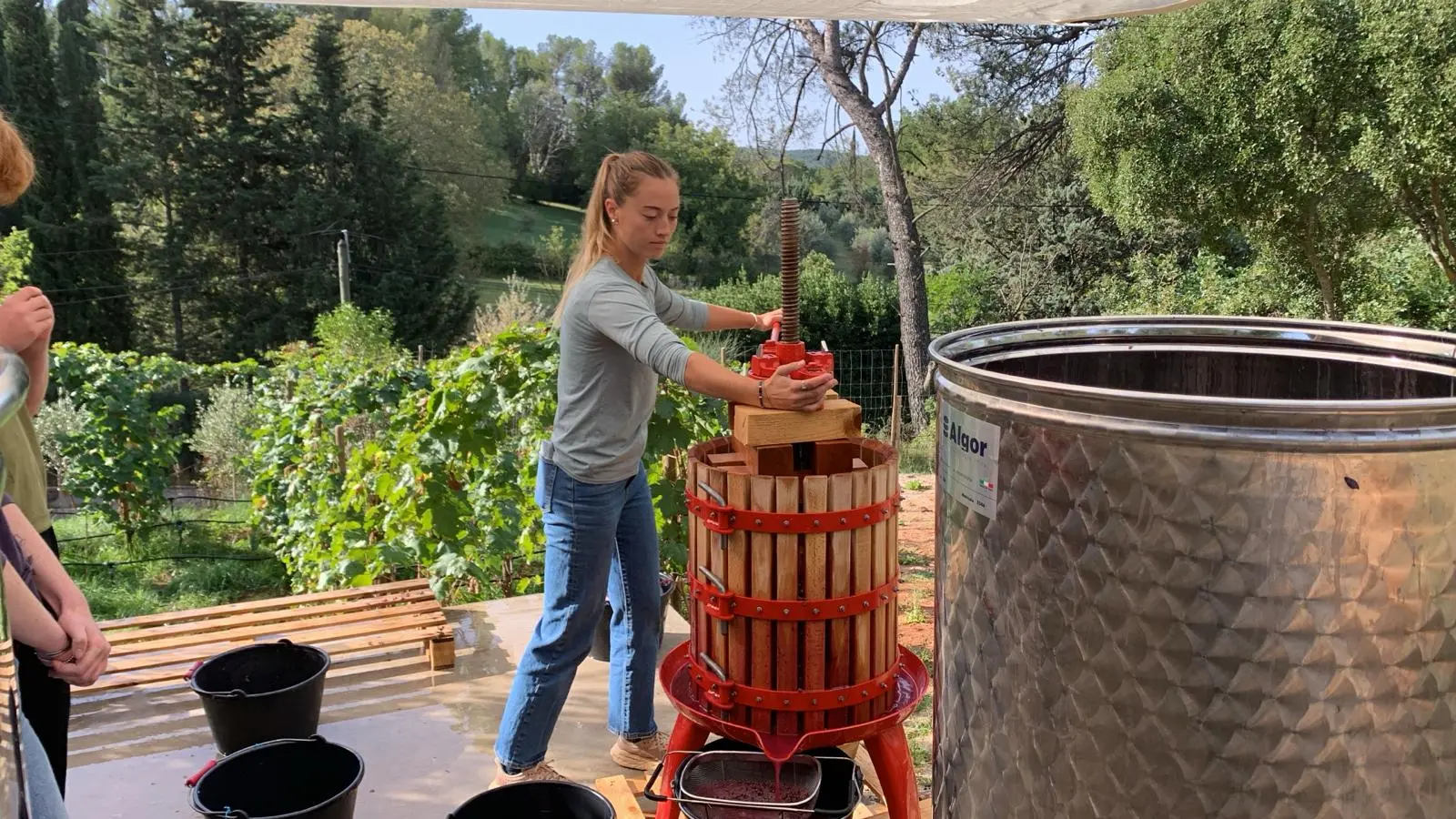
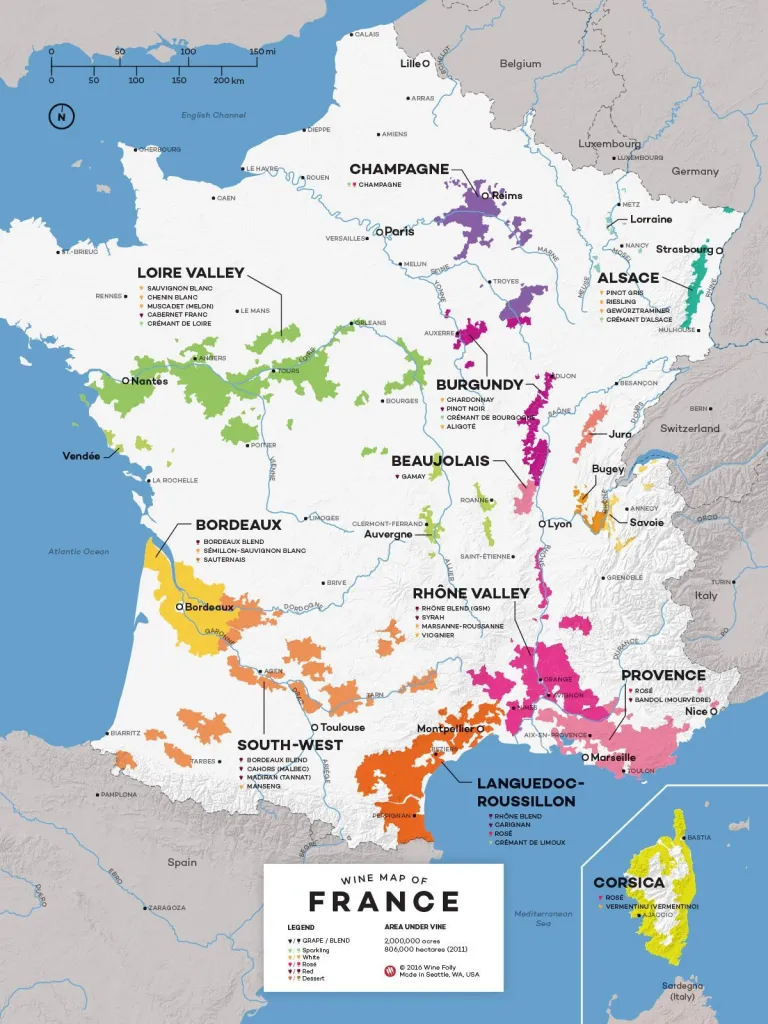
Intended for students who have completed the equivalent of three to four semesters of college-level French. This course is designed to give an overview and understanding of French wine regions. Coursework includes wine tastings, winemaking, understanding labels and appellations, choosing and serving wine.
WGS/FRE 270: Food Culture in Provence, France and the Mediterranean – 3 Credits:
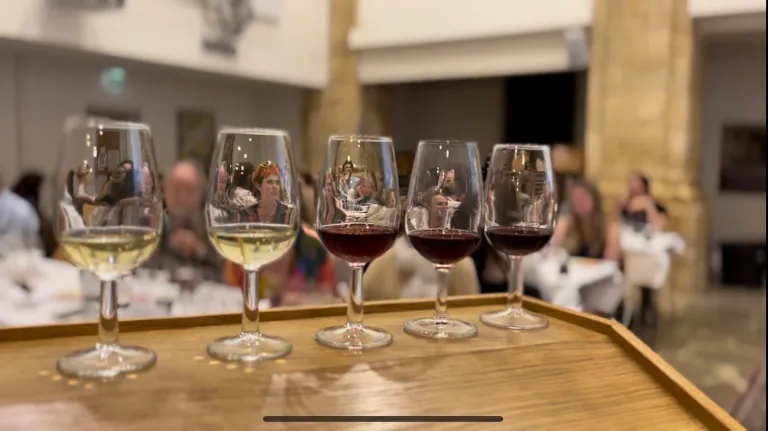
A major dimension common to all cultures, food offers a unique approach to a country, especially when traveling abroad: on the one hand, it provides essential information about people, their history, traditions, ethics, beliefs and lifestyle; on the other hand, it reveals the major issues facing today’s societies, such as the preservation of local traditions in a globalized context, or the conflict between economic growth and sustainable development. Combining History, Geography, Ethnology, Sociology and Art, this course will take us through Provence, France and the Mediterranean basin to explore what culinary culture – beyond pleasing our taste buds – reveals. It includes field studies, tastings and excursions.
WGS/MKT 302: Wine Marketing and Sensory Analysis – 3 Credits
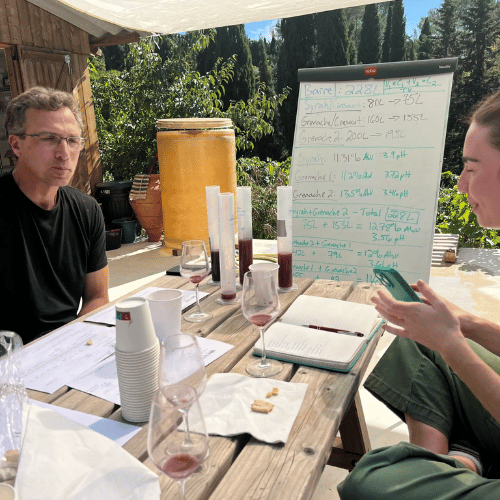
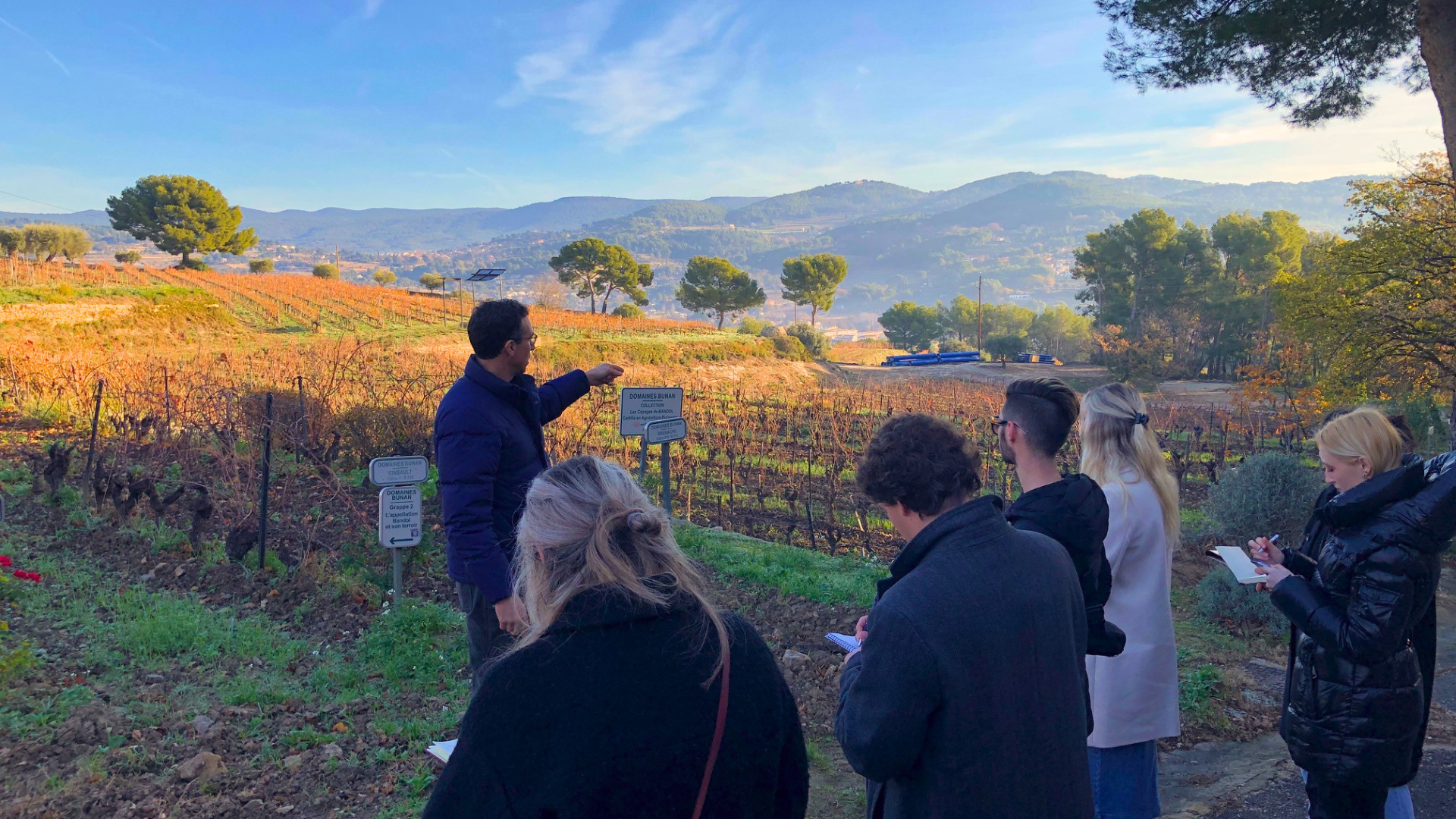
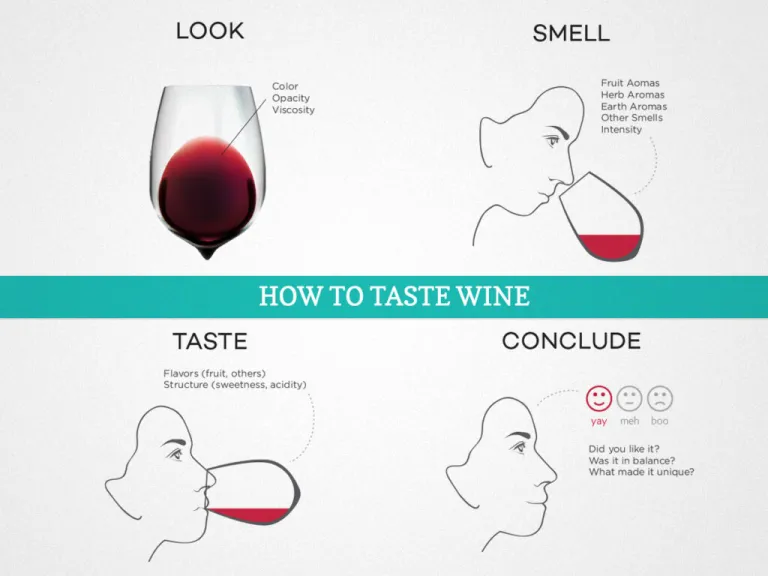
This course is a combination of lecture and professional tasting to analyze the quality levels, marketing of wine, import and export, sales positioning, and pricing structures. Students will learn vineyard and winemaking techniques utilized to achieve certain styles of wine. Course includes field studies to wineries and vineyards.
WGS/ENS 305: Chemistry & Biochemistry of Wine Production – 3 Credits
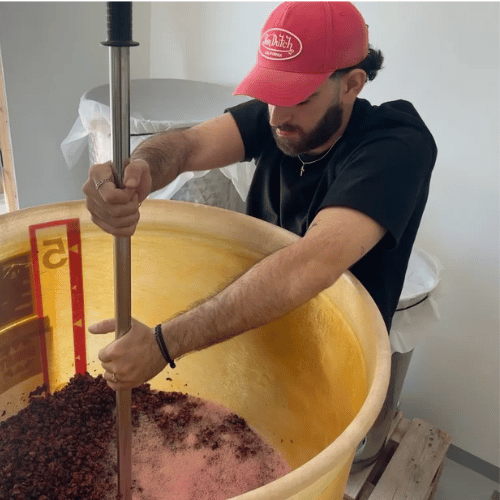
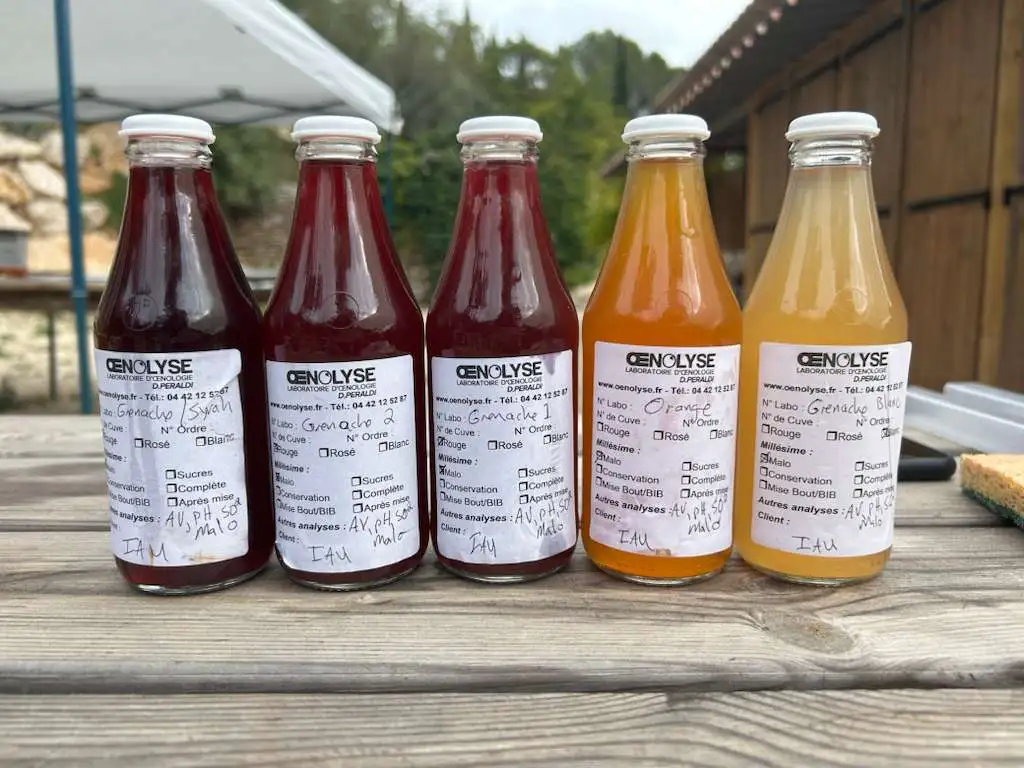
The class explores the statement that “over 80% of the winemaking takes place in the vineyard” by covering the two main areas in this process: viticulture and oenology. The viticulture part examines concepts such as le terroir, the life cycle of the vine tree and the environmental requirements and best management practices for its development. The oenology part emphasizes the chemical and biochemical transformations taking place during the vinification process with highlights on the key steps in this process such as the maceration, alcoholic fermentation and conservation and
aging techniques.
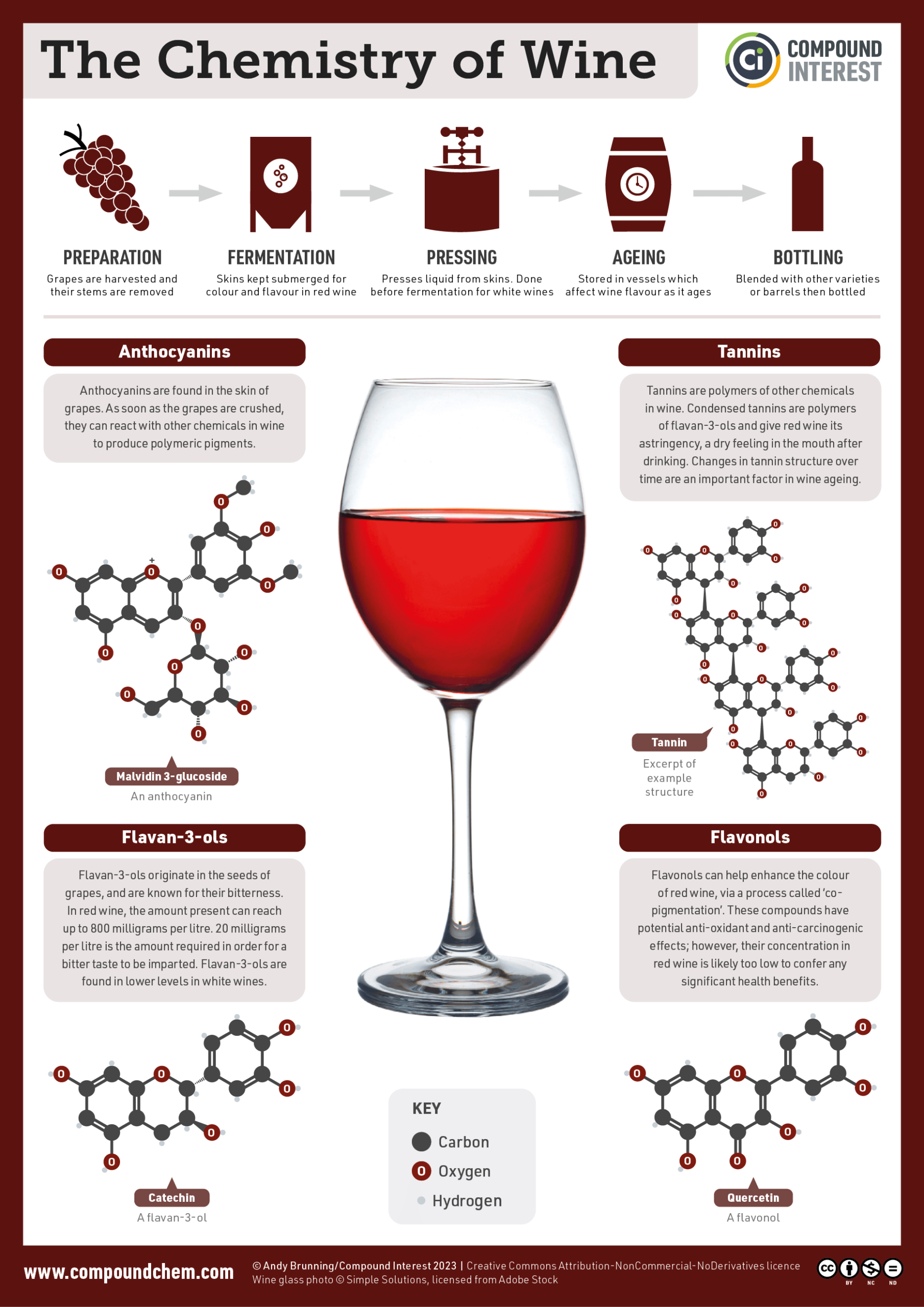
The class explores the statement that “over 80% of the winemaking takes place in the vineyard” by covering the two main areas in this process: viticulture and oenology. The viticulture part examines concepts such as le terroir, the life cycle of the vine tree and the environmental requirements and best management practices for its development. The oenology part emphasizes the chemical and biochemical transformations taking place during the vinification process with highlights on the key steps in this process such as the maceration, alcoholic fermentation and conservation and aging techniques.
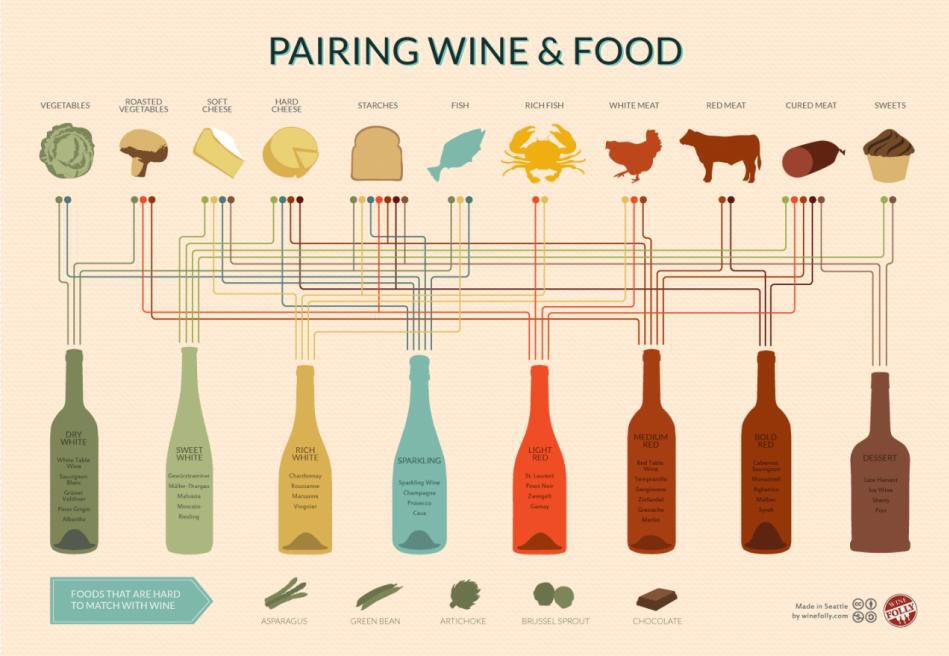
WGS/CLT 307: Wine & Food Pairing – 3 Credits
Red wine with meat and white wine with fish? A standard rule for food and wine pairing. Or is it? In this course you will learn there is much more to food and wine pairing than this simple cliché. With a combination of lectures and tastings, students will learn about international grapes varieties, regions and winemaking techniques used to achieve certain styles of wine and their perfect food pairings. The course also includes Field Studies.
WGS/HIS 340: The History and Culture of Wine in the Mediterranean – 3 Credits
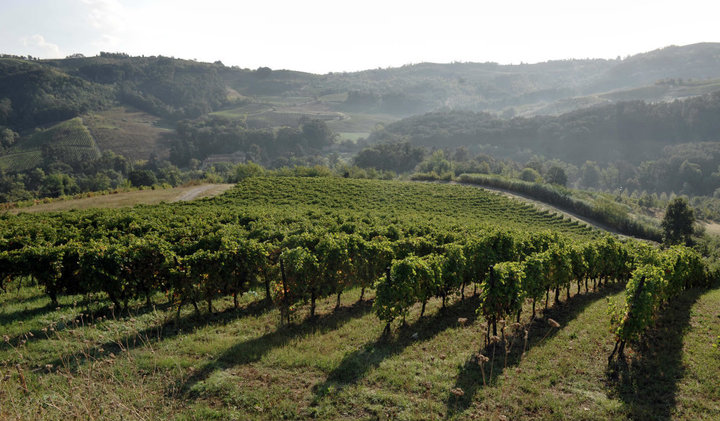
Viticulture and wine production have been embedded in the Mediterranean region for thousands of years and these activities have become synonymous with many local cultures. Students will study the evolution of wine from its pre-historic origins near the fertile crescent through to the modern era in the Mediterranean basin. We will learn how production methods and consumption habits developed over time and space, how a culture of wine and local identities co-evolved and how many Mediterranean countries, through regional and external forces, came to be the world’s standard bearer for the global wine industry. This class enjoys field visits and tastings of regional wines.
WGS/ENS 380: Applied Sustainable Viticulture – 3 Credits (Spring Semester ONLY)
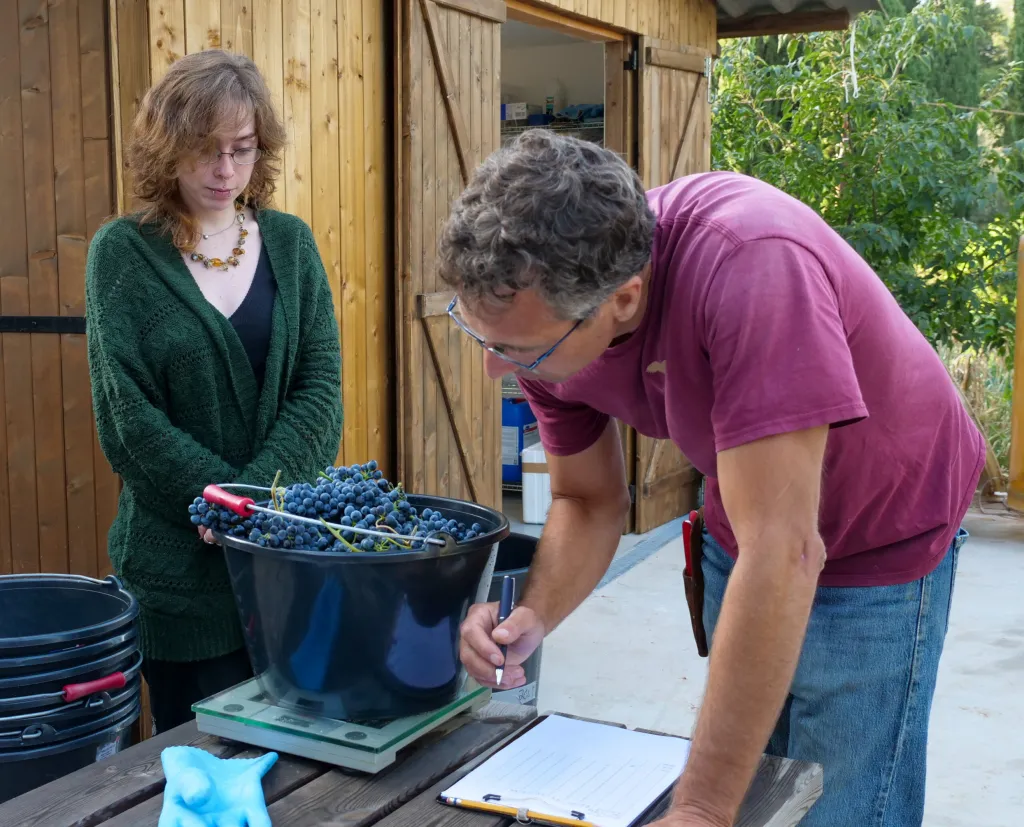
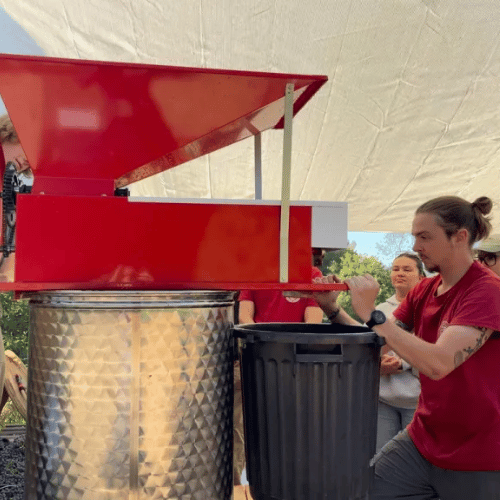
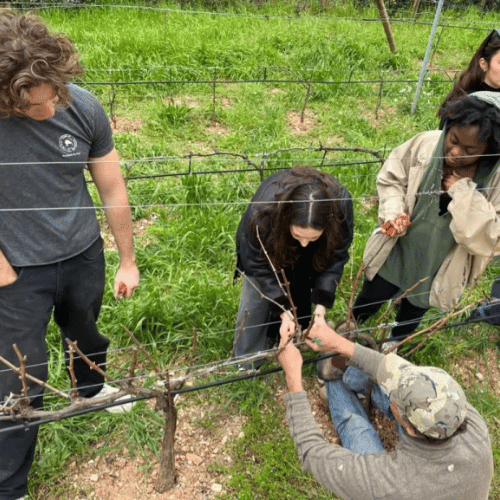
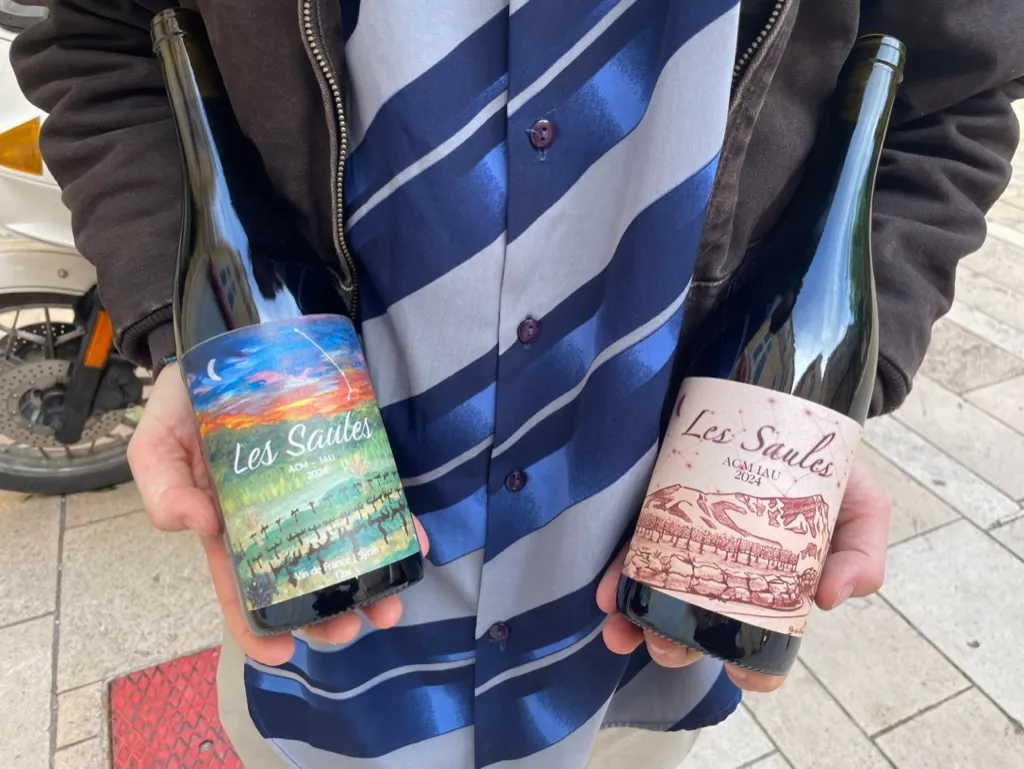
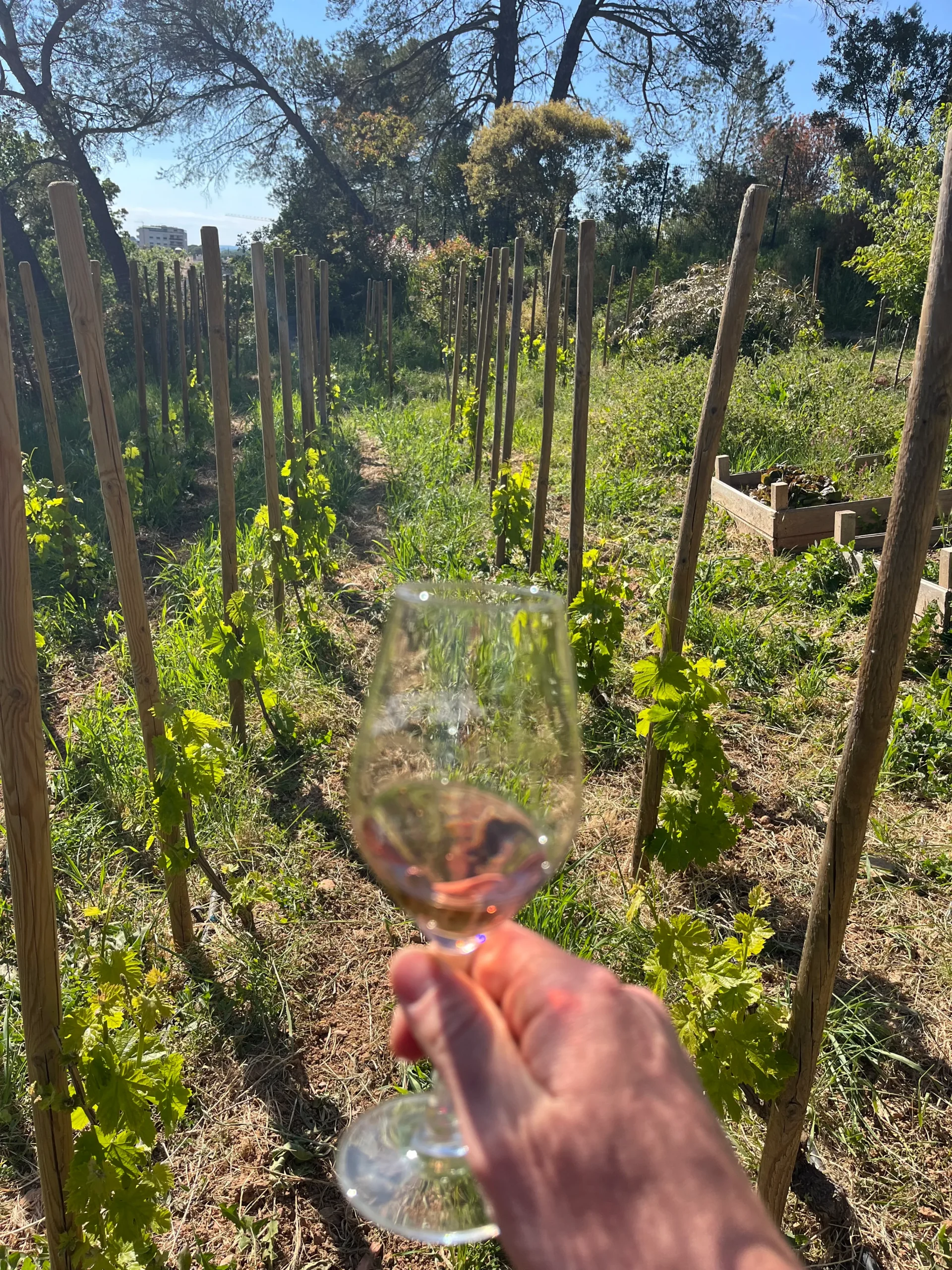
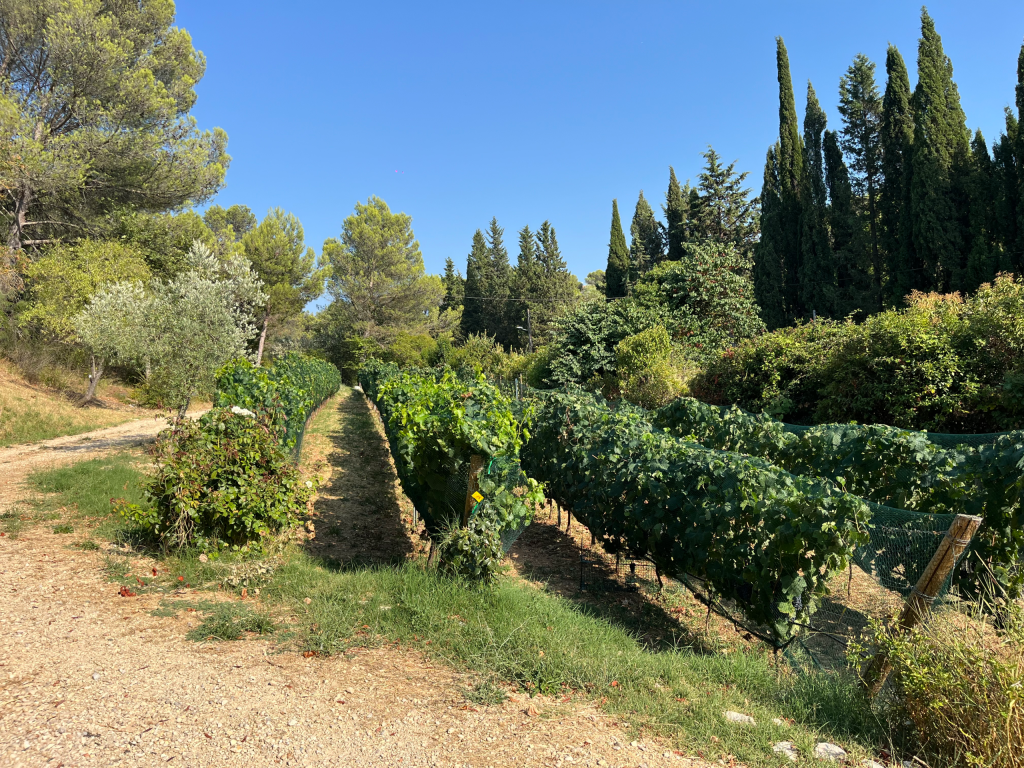
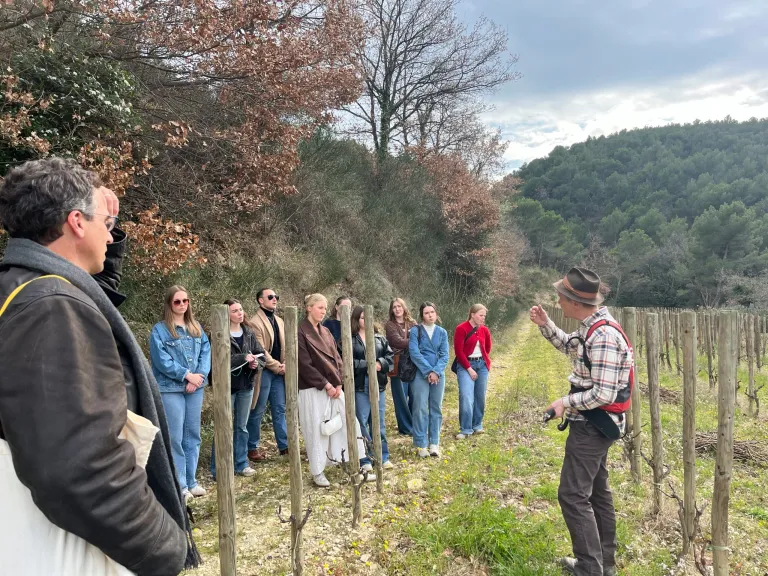
Our classroom will be IAU/ACM’s vineyard, 250 grapevines of Grenache, Syrah and Cinsault. Every week we will learn and apply organic and biodynamic viticulture techniques to help our grapevines to develop physiologically while benefitting surrounding biodiversity. Engaging in the following vineyard activities: cover crop management, pruning, canopy management, frost protection, soil preparation, weed management, machinery operation, etc., we will underpin our practical activities with theoretical/philosophical readings and lectures to gain a well-rounded knowledge of what it takes to grow wine grapes and their impact on the environment. Students who enroll in this class should bring appropriate clothing for vineyard tasks. Course includes selected tastings.
WGS/ENS 306: The Global Wine Industry – A French Immersion – 6 Credits (Summer Sester ONLY)
This intensive six-week, three credit, course is designed for students who wish to learn about the global wine industry and for those who are considering a career in wine. The course covers the fundamentals of viticulture and enology, famous French regions including wine styles, grapes, climate and culture. The course incorporates the business of wine including marketing, branding, consumer behavior and more. Students will learn professional wine tasting techniques, food and wine pairing and will have the opportunity to visit wineries in Provence to taste and speak with the owners on a variety of topics including marketing, strategy and views of the U.S. market.
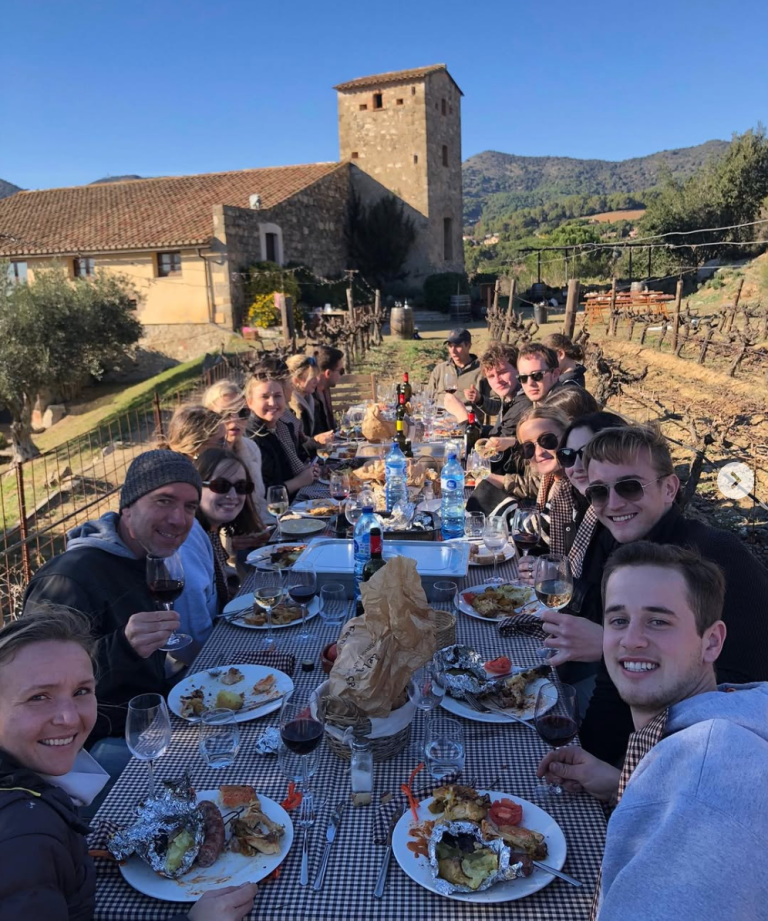
January Term: Wine, Gastronomy & Sustainability of the Mediterranean
Students can choose one of the following courses:
Business/Wine Studies 306: The Global Wine Industry: International Trade, Regions and Tasting Analysis
Geography/Wine Studies 303: Regional Wine Trade and Economics
Wine Studies/Hospitality 317: Wine and Food Pairing
Marketing/Wine Studies 312: Wine Marketing and Sensory Analysis
Environmental Studies/International Relations 375: Environmental Security and Sustainability in the Mediterranean Basin
This intensive three-week course focuses on the appreciation of gastronomy and wine, while exploring regional and local delicacies. Students will learn to appreciate how these products are produced, understand how they impact the environment, and will begin to recognize how our consumption choices may be a potential solution or hazard to the global environmental crisis. In this multi-country traveling seminar, students will have the opportunity to taste Spanish, French, and Italian wines, speak directly with winemakers and industry experts, and visit cultural sites in Spain, France, and Italy.